Not long ago, if you wanted to build a software application, you had to spend years mastering the arcane arts of syntax, memory management, and debugging. You had to learn how to speak the computer language. But lately, the tables have turned. We are entering the era of vibe coding, a term popularized by Andrej Karpathy and the developer community to describe a world where programming is less about writing lines of code and more about maintaining a specific aesthetic and functional vibe through natural language prompts.
For those of us who have spent decades staring at terminal screens, this feels like a fever dream. Can we really just talk an app into existence? Let us dive into the reality of this technology and what it means for the future of innovation.

What Exactly Is Vibe Coding?
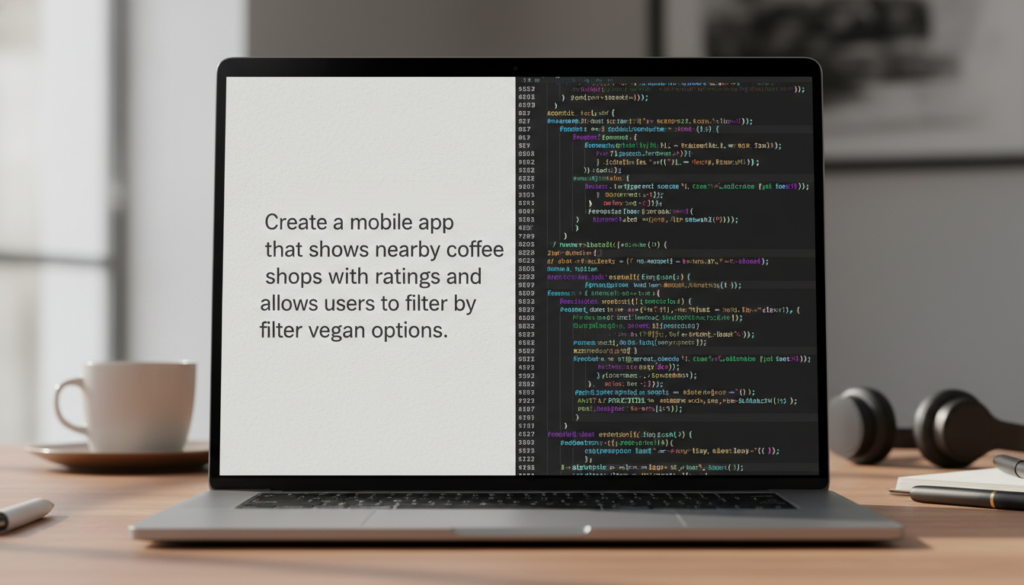
Vibe coding is the process of using Large Language Models (LLMs) to handle the heavy lifting of software construction. Instead of manually typing out React components or database schemas, the developer acts as a high-level conductor. You provide the intent, the AI provides the implementation, and you iterate based on the result. It is called vibe coding because the developer is often more focused on the output and the user experience than the underlying logic. If the code works and the application feels right, the vibe is achieved.
This shift represents a massive leap in technology and innovation. We are moving from the era of the author to the era of the curator. Tools like Cursor, Claude, and GPT-4o have become the new compilers. You do not just write code anymore, you suggest a direction and let the machine fill in the blanks.
The Tools Fueling the Movement
The sudden explosion of this trend is not just hype. It is powered by a new generation of sophisticated IDEs. For instance, Cursor has become a favorite among tech professionals for its ability to understand an entire codebase and predict what you want to build next. When combined with the reasoning capabilities of modern models, you can scaffold entire features in minutes.
If you are looking to explore how these shifts affect the broader industry, you can check out more Tech Guides at Beemytech, where we break down complex software trends for the modern professional.
Can You Actually Build a Real App?
The short answer is yes, but with some very important caveats. If you want to build a Todo list, a personal portfolio, or even a functional CRUD application, vibe coding is incredibly effective. You can describe the UI, explain how the data should flow, and watch as the AI generates the HTML, CSS, and backend logic. It is a fantastic way to prototype ideas at the speed of thought.
However, building a production-ready application that scales to millions of users is a different story. While the AI can write the code, it does not always understand the nuances of security, performance optimization, or long-term maintainability. This is where the human element remains vital.https://www.youtube.com/embed/fA_I0N8eX48
The Technical Debt Trap
One of the biggest risks in the world of vibe coding is the accumulation of hidden technical debt. When you do not write the code yourself, you might not fully understand how it works. If the AI makes a subtle logic error in a payment processing script, would you catch it? If the system crashes at 3 AM, can you fix it without asking the AI for help?
For innovation to be sustainable, we need to treat AI as a partner, not a replacement for fundamental knowledge. Successful vibe coders are usually people who already know how to code. They use their expertise to audit the AI output, ensuring that the vibes remain grounded in solid engineering principles.

How to Transition from Coder to Curator
If you want to stay ahead in this evolving landscape, you need to change your approach. Here is a short guide on how to master the art of natural language development:
- Focus on Architecture: Spend more time thinking about how different parts of your system interact rather than the syntax of a specific loop.
- Master the Prompt: Learning how to give clear, concise, and context-rich instructions is the new essential skill.
- Use Agentic Tools: Look into platforms like Replit and their AI agents that can help deploy and manage your applications automatically.
- Verify and Test: Always implement automated tests to ensure that your AI-generated code actually does what you think it does.
Conclusion: Is the Compiler Dead?
The rise of vibe coding does not mean the end of traditional programming. Instead, it represents the democratization of creation. It lowers the barrier to entry, allowing people with great ideas but limited syntax knowledge to build things that matter. For tech professionals, it is a productivity multiplier that allows us to focus on solving problems rather than fighting with semicolons.
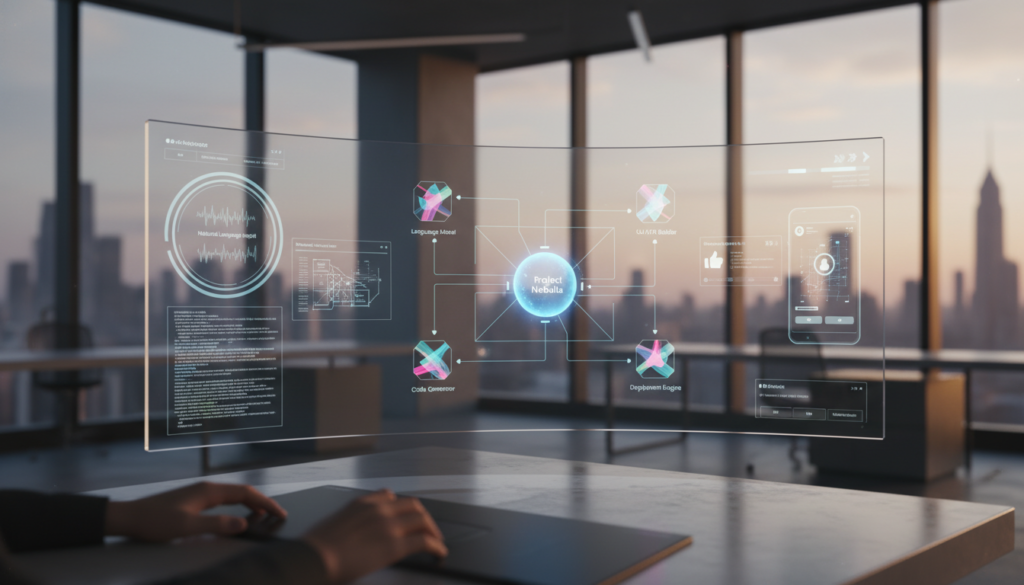
The future of software is a conversation. We are no longer just writing instructions for a machine, we are collaborating with an intelligence that understands our intent. So, can you build apps using just natural language? Absolutely. Just make sure you are still the one holding the compass when the vibes get a little too wavy.