So, you finally decided to stop just playing games and start making them. Welcome to the club. It is a world filled with late nights, caffeine, and that specific type of joy that only comes when a character finally moves across the screen without clipping through the floor. But before you can build the next massive RPG or a cozy farming simulator, you have to face the first boss of game development: choosing your engine. In 2026, the landscape looks a bit different than it did even two years ago. We have seen industry shifts, pricing drama, and the meteoric rise of open-source tools. If you are feeling overwhelmed, do not worry. We are going to break down the big three: Unity, Unreal Engine, and Godot, to see which one fits your brain and your dreams.
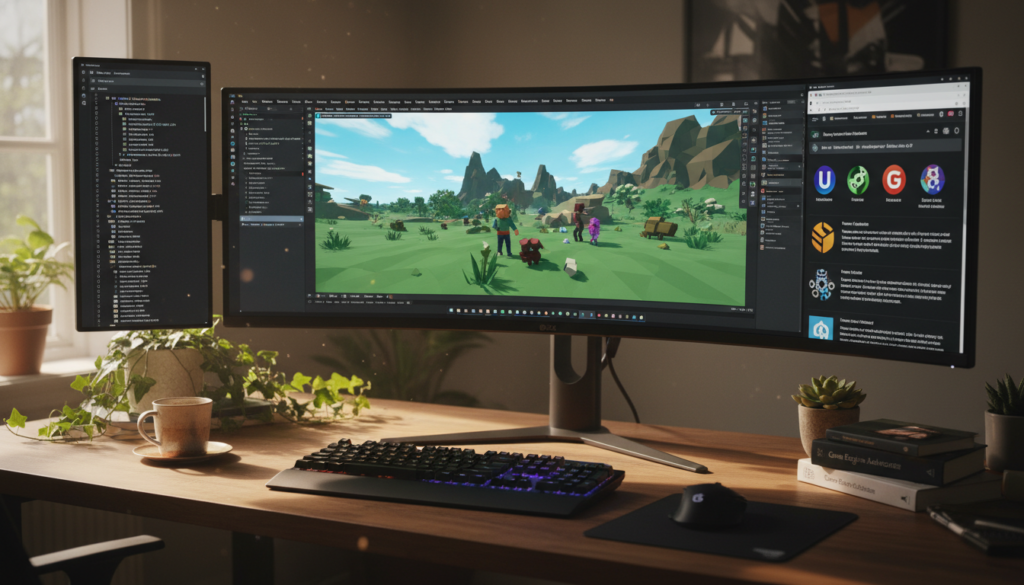
Unity: The Versatile Veteran
For a long time, Unity was the undisputed king of the indie world. Despite some corporate stumbles in the recent past, it remains one of the most powerful and flexible tools available to a newcomer. Why? Because Unity hits a sweet spot between ease of use and professional power. It uses C#, which is widely considered one of the best programming languages for beginners. It is structured, logical, and has just enough guardrails to keep you from accidentally deleting your computer’s operating system while trying to make a jump script. One of the biggest reasons to choose Unity is the community. If you run into a bug, chances are that ten thousand people have already solved it on a forum somewhere. The Asset Store is another massive plus. If you cannot draw a tree to save your life, you can just go grab a forest made by a professional for a few bucks. Unity is also the king of mobile development. If your goal is to get a game onto the App Store or Google Play, Unity’s workflow is incredibly streamlined. You can find more deep dives on modern software choices at Beemytech Tech Guides to keep your skills sharp.
Why Unity Might Be For You
If you are interested in 2D games, Unity is still arguably the best choice among the giants. Its 2D toolset is mature and intuitive. Furthermore, if you want to work in the industry, knowing Unity is a massive resume booster because so many studios use it as their primary tool. Check out the official Unity website to see their latest 2026 feature sets, including improved AI integration and faster rendering pipelines.
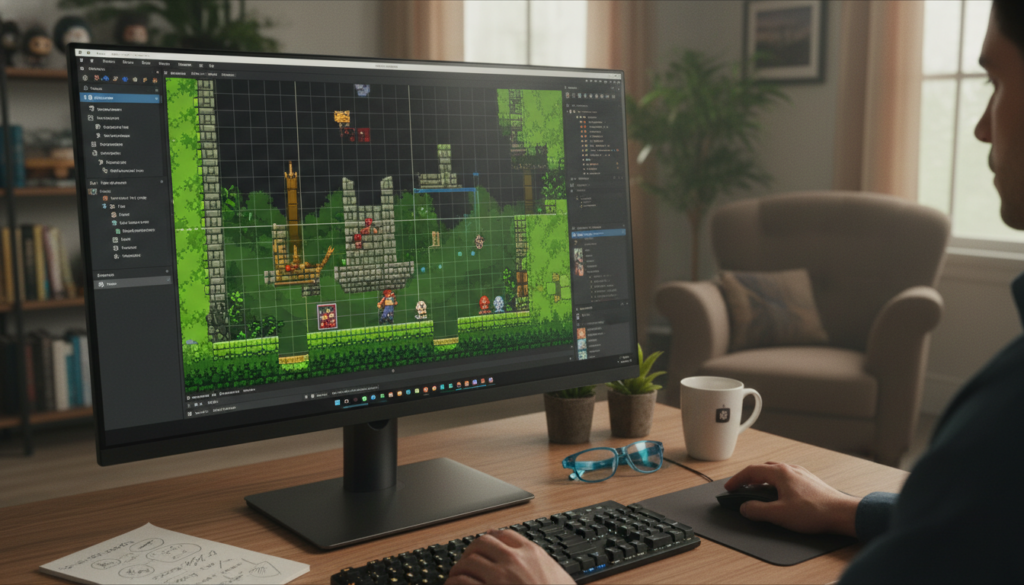
Unreal Engine: The Graphical Powerhouse
If you want your first game to look like a blockbuster movie, Unreal Engine is the path. Developed by Epic Games, the same people behind Fortnite, Unreal is famous for its high-end visual capabilities. In 2025, features like Nanite and Lumen have become the gold standard for lighting and geometry. But do not let the professional sheen scare you off. For beginners, Unreal has a secret weapon called Blueprints. Blueprints is a visual scripting system that allows you to create complex game logic by dragging and dropping nodes and connecting them with virtual wires. You do not have to write a single line of code to make a fully functioning game. This is a game-changer for artists or people who find traditional coding intimidating. However, there is a trade-off. Unreal is a heavy engine. You need a decent computer to run it without your fans sounding like a jet taking off. It also has a specific way of doing things, often called the Unreal Way. If you try to fight the engine’s built-in systems, you will have a hard time. But if you embrace its workflow, you can achieve results that look like they were made by a team of fifty people instead of just you in your bedroom.
The C++ Hurdle
While Blueprints can take you very far, eventually, you might want to dive into C++. This is where the learning curve gets steep. C++ is the language of high performance, but it is also much less forgiving than C#. It is like the difference between driving an automatic car and a manual transmission race car. Both will get you there, but one requires a lot more focus to keep from stalling. You can learn more about their licensing and tools at the Unreal Engine official site.
Godot: The People’s Champion
In the last few years, Godot has gone from a niche alternative to a serious contender. It is the engine that could. The most important thing to know about Godot is that it is open-source. This means it is completely free, forever. No royalties, no hidden fees, and no corporate board members changing the rules halfway through your development cycle. For many indies in 2025, this peace of mind is worth its weight in gold. Godot is also incredibly lightweight. The entire engine is a tiny download, and it runs smoothly on older laptops. The workflow in Godot is based on nodes and scenes, which many beginners find much more intuitive than the systems in Unity or Unreal. Everything in your game is a node, and you just nest them together like Russian dolls. For coding, Godot uses GDScript, which is very similar to Python. It is clean, readable, and specifically designed for game logic. If you have never coded before, GDScript is probably the easiest language to learn on this list. While it might not have the massive asset store of Unity or the graphical grunt of Unreal, Godot’s 2D capabilities are arguably the best in the business, and its 3D side is catching up fast.
The Growth of Godot
The community around Godot is passionate and growing rapidly. Because it is open-source, the engine evolves based on what developers actually need, not what makes a corporation the most money. If you value independence and a simple, clean workflow, Godot is a fantastic place to start. You can download it and get started at GodotEngine.org.
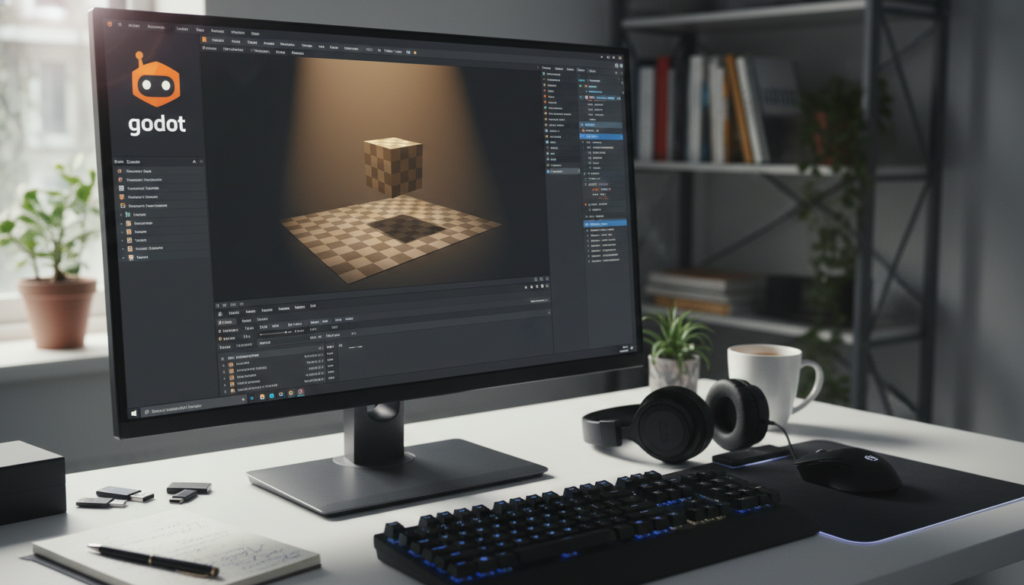
How to Make Your Final Choice
By now, you might be leaning one way or another, but let’s narrow it down with a few simple questions. First, what kind of game do you want to make? If you are dreaming of a 2D pixel-art platformer or a lightweight mobile game, Godot or Unity are your best bets. If you want a massive 3D open world with realistic shadows and textures, Unreal is calling your name. Second, how do you feel about coding? If the thought of typing lines of text makes you sweat, Unreal’s Blueprints will be your best friend. If you want to learn a versatile language that works outside of games too, Unity’s C# is the way to go. Third, what is your long-term goal? If you want to get a job at a big studio, learning Unity or Unreal is almost mandatory. If you want to be a solo indie developer who owns every single piece of their work without ever owing a cent to a tech giant, Godot is the dream. The most important advice I can give you is this: do not spend three months deciding which engine to use. Pick one, follow a single tutorial to finish a tiny game (like Pong or a simple clicker), and see how it feels. You are not marrying the engine; you are just dating it. You can always switch later, and the logic you learn in one will almost always carry over to the others. In 2026, the best engine is the one that actually helps you finish your game. So, go download one, hit that first roadblock, and start building. The world is waiting for your story.