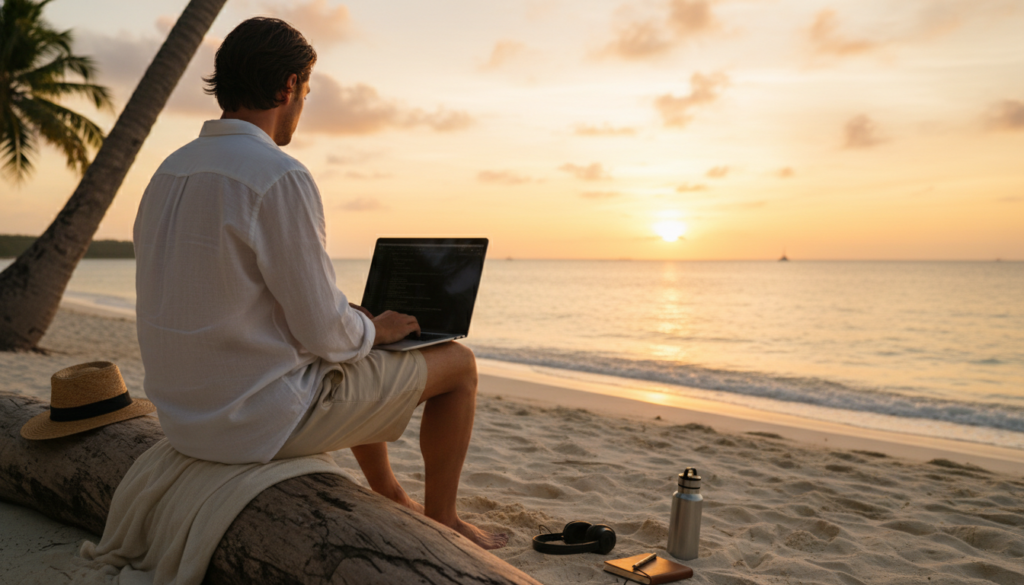
Imagine this: you are sitting on a white sandy beach in Bali, a chilled coconut in one hand and your laptop in the other. The turquoise waves are gently lapping at the shore, and you are effortlessly typing away, shipping code that earns you a six-figure salary while you tan. It is the ultimate dream of the modern era, popularized by thousands of Instagram influencers and productivity gurus. But as someone who has spent years navigating the intersection of technology and travel, I am here to give you a much-needed reality check. While the digital nomad lifestyle is an incredible innovation in how we view work, the reality of coding from a beach is often more of a logistical nightmare than a tropical paradise.

The Battle Against the Elements: Sand and Silicon
The first thing no one tells you about working on a beach is the physics of the environment. Laptops are magnificent pieces of engineering, but they were never designed for the coast. Let us start with the sun. Even with the most high-end Retina or OLED display, the glare from direct sunlight makes reading code nearly impossible. You will find yourself squinting, hunched over like a gargoyle, trying to find an angle where you can actually see your syntax highlighting. This is not just uncomfortable; it is a recipe for a massive headache by noon.
Then, there is the heat. High-performance laptops generate a significant amount of warmth on their own. When you add 90-degree tropical weather and direct sun exposure, your fans will start sounding like a jet engine taking off. Thermal throttling kicks in, your build times triple, and suddenly your sleek machine is struggling to run a simple Docker container. And we cannot forget the sand. Sand is the natural enemy of the butterfly switch and the cooling vent. Once those tiny grains get inside your chassis or under your keys, you are looking at a very expensive trip to a repair shop that likely does not exist on your remote island.
The Great Connectivity Myth
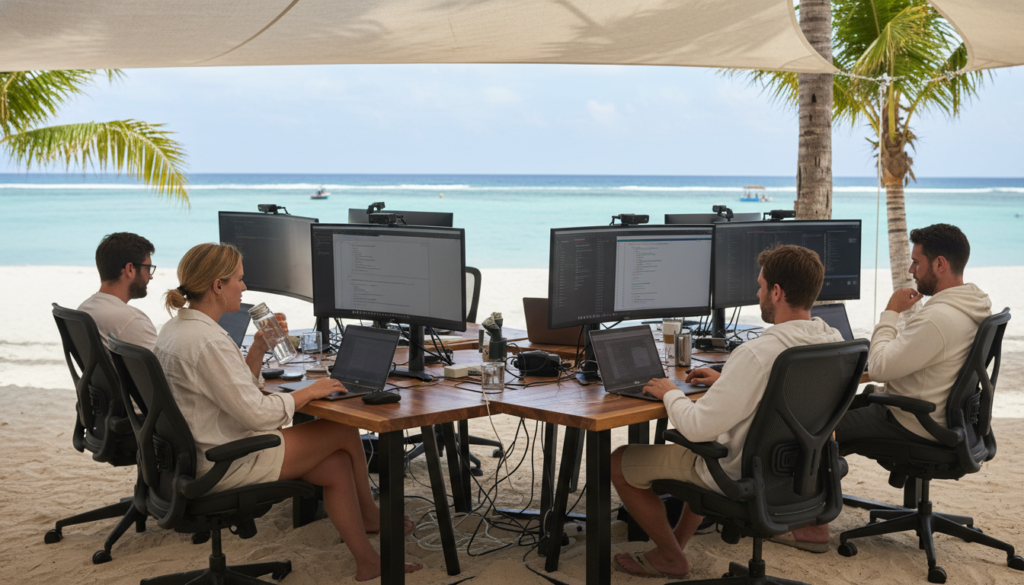
Innovation has brought us high-speed internet in some of the most remote corners of the world, but consistency is another story. To be a successful remote developer, your lifeblood is a stable connection. When you are sitting on a beach, you are usually relying on a patchy cafe Wi-Fi or a mobile hotspot that is fighting for a signal. Have you ever tried to push a large commit or join a critical Zoom call while the local cellular tower is being buffeted by a tropical storm? It is the stuff of high-stress nightmares.
To survive, professional nomads do not rely on luck. They use tools like Speedtest by Ookla to vet every location before they even unpack their bags. They carry backup SIM cards, local hotspots, and sometimes even satellite links. If you are serious about this lifestyle, you quickly realize that the best places to work are not the ones with the best views, but the ones with the most reliable fiber-optic cables. This is where the innovation of the modern coworking space comes in. These hubs provide the infrastructure that the beach simply cannot offer.
Ergonomics and the Humbling Reality of Back Pain
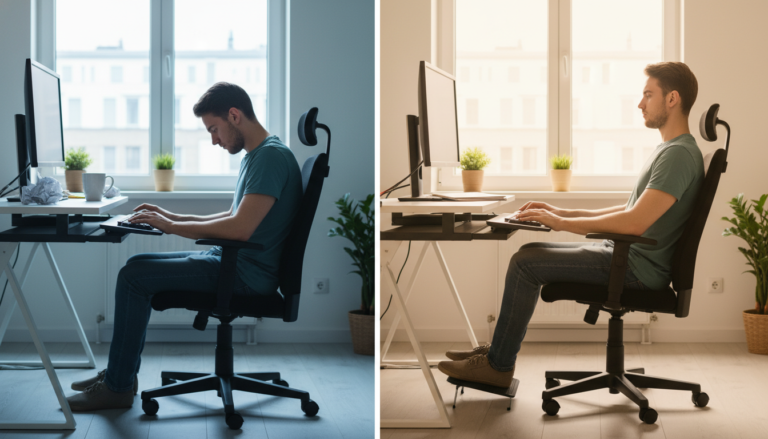
Humans were not meant to work from hammocks. It looks cozy for a five-minute photo op, but after two hours of coding in a slumped position, your spine will start to protest in ways you did not know were possible. The digital nomad life often leads to a nomadic search for a chair that does not cause permanent damage. A beach chair offers zero lumbar support, and your lap is a terrible place for a hot laptop for extended periods.
Serious remote workers eventually invest in portable ergonomics. We are talking about foldable laptop stands, external keyboards, and even travel-sized ergonomic mice. If you want to see how to properly set up a remote workspace without destroying your body, you can find a variety of technology and setup guides at BeeMyTech. They cover the intersection of hardware and lifestyle that is crucial for anyone trying to make this work long-term. Remember, the goal is to work from anywhere for years, not just for a week until your neck gives out.
The Psychological Shift: Work vs. Vacation
Perhaps the biggest hurdle is not technical, but psychological. When you are in a beautiful, exotic location, your brain naturally wants to be in vacation mode. It is incredibly difficult to focus on debugging a legacy codebase when everyone around you is drinking margaritas and heading out for a surf session. The discipline required to maintain a forty-hour work week while the world is inviting you to play is immense.
This is why many experienced nomads adopt a slower pace of travel. They stay in one city for three to six months rather than moving every week. This allows them to establish a routine, find a favorite local cafe, and actually get work done. They use resources like Nomad List to find communities where work-life balance is actually achievable, rather than just a buzzword. Being a nomad is about a change of scenery, not a permanent escape from responsibility.

The Hidden Logistics: Taxes, Time Zones, and Insurance
Beyond the laptop and the beach, there is a mountain of administrative tasks that the lifestyle brings. If your company is based in New York and you are in Thailand, you are looking at a twelve-hour time difference. This means you are likely starting your workday at 8:00 PM and finishing at 4:00 AM. This nocturnal lifestyle can quickly lead to burnout and social isolation from the very culture you moved to experience.
There is also the matter of legalities. Working on a tourist visa is a gray area in many countries, though many are now introducing specific Digital Nomad Visas to bridge this gap. You have to consider international health insurance, tax residency, and how to handle physical mail. These are not the glamorous parts of the journey, but they are the pillars that keep the lifestyle from collapsing into a chaotic mess. Innovation in the fintech and legaltech space has made this easier, with companies offering global health coverage specifically for wanderers, but it still requires careful planning.
The Verdict: Can You Actually Code from a Beach?
So, can you really code from a beach? The short answer is: technically yes, but you probably won’t want to. You can answer a few emails or fix a minor CSS bug while sitting in a beach bar, but for deep, focused work, you will eventually find your way back to a desk, a chair, and a solid internet connection. The true innovation of the digital nomad movement is not the ability to work on the sand, but the freedom to choose your environment.
The reality is that most successful digital nomads work from high-quality apartments, quiet cafes, or dedicated coworking spaces during the day, and then they enjoy the beach in the evening or on weekends. They treat their work with the respect it deserves, ensuring they have the right tools and environment to be productive. The beach is the reward, not the office.
If you are looking to transition into this lifestyle, do it with your eyes wide open. Invest in the right gear, prioritize your physical health, and be realistic about your productivity. The world is more connected than ever, and the opportunities for remote work are expanding every day. Just make sure that when you finally reach that tropical paradise, you have a good pair of sunglasses, a very bright screen, and a plan for when the sand inevitably finds its way into your keyboard.